














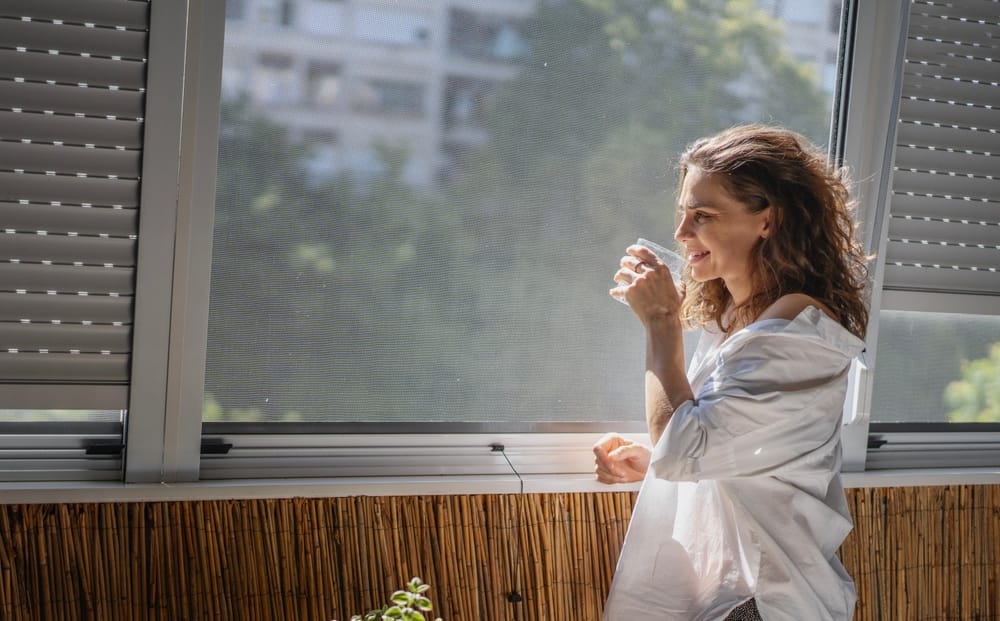
Screens play an essential role in indoor comfort, especially during the warmer seasons when insects are more present. They allow you to enjoy natural ventilation while creating a barrier against mosquitoes, flies and other pests. When well designed, they improve everyday well-being by making it possible to keep windows open longer without constantly worrying about insects entering the home. However, depending on their design, material and how they are integrated into the windows, they can also present certain limitations, particularly in terms of durability, aesthetics or maintenance. This guide offers a complete and structured overview of the advantages and disadvantages of window screens to help homeowners choose a model suited to their needs, their window types and their home.
Understanding the role of screens in a home
Screens are designed to filter air without letting insects through. Their mesh structure, generally made of fiberglass, aluminum or polyester, provides an ideal compromise between visibility, strength and air circulation. They are a passive and continuous solution: once installed, they provide constant protection as soon as the window is open. They are particularly useful in homes located near water, wooded areas or in regions where insects are very active from spring through the end of summer. They also help create a sense of security, especially in the evening when people like to leave windows slightly open.
Why install a screen?
Several reasons explain their popularity:
- avoiding excessive use of repellent products, such as sprays, electric diffusers or candles, which may contain substances that irritate the respiratory tract or skin, particularly in children and sensitive individuals;
- maintaining a healthier indoor environment by limiting the presence of insects that can carry bacteria, dirt or allergens onto surfaces, especially in the kitchen or bedrooms;
- reducing allergies caused by certain insects or their bites, which is particularly useful for people with sensitive skin or those prone to pronounced skin reactions;
- allowing windows to remain open for longer without nuisance, even at dusk when mosquitoes are more active, so the home can be naturally cooled without fearing an invasion of insects.
Their primary function is comfort, but they also have a real impact on quality of life, reducing stress linked to bites, buzzing at night and insects sneaking into living spaces.
The advantages of screens
Screens offer many benefits that contribute to their widespread use in homes. They provide a simple, discreet and generally unobtrusive solution to improve indoor air quality while effectively protecting against pests.
1. An effective barrier against insects
This is their central role. A properly installed screen blocks:
- mosquitoes, responsible for bites and itching that disturb sleep, especially on hot nights;
- flies, often attracted to food, cooking smells and garbage, which can be a daily annoyance;
- wasps, bees and other stinging insects that can pose a risk to allergic individuals or children;
- crawling insects such as ants or small beetles that may enter through low openings;
- small light debris, leaves or particles carried by the wind, depending on mesh fineness.
This protection is particularly appreciated in bedrooms or rooms where maximum peace and quiet is desired, such as living rooms or offices, by eliminating noise disturbance and bites during rest or work.
2. Preserved natural ventilation
One of the greatest advantages is the ability to ventilate the home even in the evening or early morning when insects are most active. The screen allows fresh air in while blocking unwanted visitors. It lets you take full advantage of natural ventilation, renew indoor air and enjoy cross-breezes without having to close the windows at the first insect. This helps reduce reliance on air conditioning or fans, especially during periods of moderate heat.
3. Improved indoor hygiene
A home without insects means:
- lower risk of stains, marks or dirt left by squashed flies or mosquitoes on walls, ceilings, curtains or window sills;
- fewer allergens carried by certain pests, such as insect legs coming into contact with food surfaces or fabrics;
- better control of odors and humidity thanks to constant ventilation, which helps prevent mold and keeps rooms cooler and healthier.
By limiting the presence of insects indoors, screens therefore contribute to better overall hygiene in the home and a more pleasant environment on a daily basis.
4. Reduced reliance on chemical products
Repellent sprays, coils or electric diffusers contain substances that can irritate the skin, respiratory tract or eyes, especially with repeated use. Screens help limit or avoid daily use of these products by acting as a permanent physical barrier. This is particularly valuable for families with young children, pets or sensitive individuals who want to prioritize more natural solutions.
5. An economical and long-lasting solution
Compared with other insect protection methods, screens are simple, accessible and durable if maintained regularly. Once installed, they require only light care and provide service over several seasons, or even several years. They are a reasonably priced investment compared with the comfort they provide, especially in regions where insect presence is significant every summer.
6. Versatility of available models
Screens come in a variety of designs:
- fixed screens, generally installed permanently on windows that are frequently opened;
- sliding screens, suited to sliding windows and doors, allowing partial or full opening as needed;
- roll-up screens, convenient for openings where the passage needs to be cleared when the screen is not in use;
- magnetic screens, easy to install and remove, often used on doors or occasional windows;
- patio-door screens, specially designed to allow smooth access to the outside.
This diversity makes it possible to equip each window or door properly according to needs, type of opening, frequency of use and space or traffic constraints.
The disadvantages of screens
Although very useful, screens do have some drawbacks that should be considered before installation. It is important to be aware of them in order to choose a suitable model and avoid unpleasant surprises once they are in place.
1. Slight reduction in brightness
Depending on mesh density, the screen may slightly reduce natural light. High-visibility models limit this effect, but material choice remains important. In rooms that are already not very bright, adding a dark screen or very tight mesh may make the interior somewhat darker, which may require more frequent use of artificial lighting.
2. Regular maintenance required
Dust, pollen and outdoor particles cling to the surface. It is recommended to:
- vacuum the screens to remove fine deposits that build up over the weeks;
- clean them with a damp cloth or soft sponge to preserve the mesh without damaging it;
- check mesh tension to ensure it is not sagging or loose, which could let small insects through.
Neglected maintenance can reduce their effectiveness, harm their appearance (dirty screens) and shorten their lifespan by accelerating material wear.
3. Fragility of certain materials
Very fine fiberglass or polyester screens can:
- tear if subjected to impact, a pet leaning against them, or improper handling;
- slacken over time, creating loose areas that reduce protection;
- warp over time due to temperature changes or sun exposure.
Aluminum models are more robust but slightly less flexible and, in some cases, can be more visible or prone to bending if significant pressure is applied to the mesh.
4. Sometimes complex adjustment
Poorly fitted installation can allow insects to enter despite the presence of a screen, through small gaps along the sides, bottom or top of the frame. Depending on the window shape, frame or interior trim, it may be necessary to call in a professional for a perfect fit on certain openings, especially when it comes to custom screens or units integrated with high-performance window systems.
5. Aesthetic impact depending on the model
Even when discreet, some screens alter the look of the window, particularly with fixed non-recessed models or when the frames do not match the window color. On highly visible façades or carefully designed architectural projects, this aspect must be considered in order to maintain a coherent appearance.
Comparison of the main screen materials
| Material | Advantages | Disadvantages | Ideal use |
| Fiberglass | Flexible, economical, good visibility, easy to install | May sag over time and be more prone to tearing | Standard residential use, lightly used windows, temperate areas |
| Aluminum | Robust, durable, good resistance to shocks and weather | Less flexible, may bend under strong pressure, slightly more visible | High-traffic areas or doors, frequently used entrances, exposed environments |
| Polyester | Good resistance, flexible, pleasant to handle | Sensitive to scratches and repeated friction | Low-traffic rooms, bedrooms or windows that are seldom operated |
| High-visibility mesh | Improved transparency, discreet look, excellent view to the outside | Less resistant to impacts, requires more careful handling | Bedrooms, living rooms, main façades where appearance is a priority |
This table helps determine the most suitable screen type based on usage intensity, window location and desired aesthetic level, in order to find the best compromise between comfort, durability and appearance.
Choosing the right screen according to window type
The choice depends on window configuration and how it is used day to day. A solution that is well matched to the opening will make operation and maintenance easier and ensure effective, long-term protection.
For sliding windows
Sliding screens are the most suitable option. They allow partial or full opening of the window without removing the screen entirely. Their operation follows that of the window itself, making them intuitive and convenient in everyday use.
For casement windows
Fixed or framed screens are preferred. They provide constant protection while allowing efficient ventilation when the sash opens outward or inward. Accurate measurements are essential to avoid any gaps between the frame and the screen.
For patio doors
Sliding or roll-up screens are the most functional because they allow smooth passage, especially where there is frequent movement between the interior and the patio. They must be sturdy enough to withstand repeated use and, ideally, well guided so they do not come off their track.
For tilt-and-turn windows
Rigid-frame or magnetic models provide effective and easy-to-handle protection. They preserve the special mobility of this type of window (tilt or swing opening) while ensuring the necessary seal against insects.
General screen maintenance
Simple, regular maintenance helps extend the life of the screen and preserve its performance over the seasons. A clean screen lets air and light pass through more effectively while remaining more pleasant to look at from both inside and outside.
Recommended steps:
- Gently remove the screen if it is removable, to avoid deforming the mesh or damaging the frame.
- Brush the surface to remove dust, pollen and small debris using a soft brush.
- Use a mixture of warm water and mild soap for deeper cleaning, especially after pollen season or at the end of summer.
- Rinse with a damp cloth or a very gentle stream of water, avoiding high-pressure jets that could distort the mesh.
- Allow to dry completely before reinstalling to prevent moisture from being trapped in frames or on window sills.
Checks to perform:
- look for tears, holes or snags that could let insects pass through;
- ensure mesh tension is adequate to avoid bulging or overly loose areas;
- inspect frames for cracks, warping or signs of wear due to time or impacts;
- check fit against the windows, especially at the corners, to eliminate any potential openings for insects.
These checks help prevent insect infiltration, extend effectiveness and allow for quick intervention in case of localized damage.
Fenomax: careful integration with high-performance windows
Fenomax products, designed in Canada for performance and durability, support the easy integration of a variety of screens suited to different types of windows and doors. Robust frames and smooth opening systems help ensure optimal compatibility with fixed, sliding or custom-made screens. Thanks to modern design and particular attention to sealing and energy performance, Fenomax windows make it possible to use a screen without compromising the overall performance of the opening.
This compatibility makes it easy to add effective protection while preserving the home’s exterior appearance. Homeowners can thus benefit from a high level of comfort, good ventilation and reliable insect protection, in harmony with the architecture and performance of their fenestration.
Conclusion
Screens are a simple, effective and versatile solution for protecting the home from insects while maintaining pleasant natural ventilation. Despite some limitations related to maintenance, brightness or fit, they offer appreciable comfort and adapt to most openings, provided the right model is chosen and maintained regularly. They contribute to a healthier, quieter and better protected indoor environment throughout the summer season.
For optimal fit and perfectly integrated installation, Fenomax systems are a reliable and durable option to meet seasonal needs while respecting your home’s performance and aesthetic requirements.

