














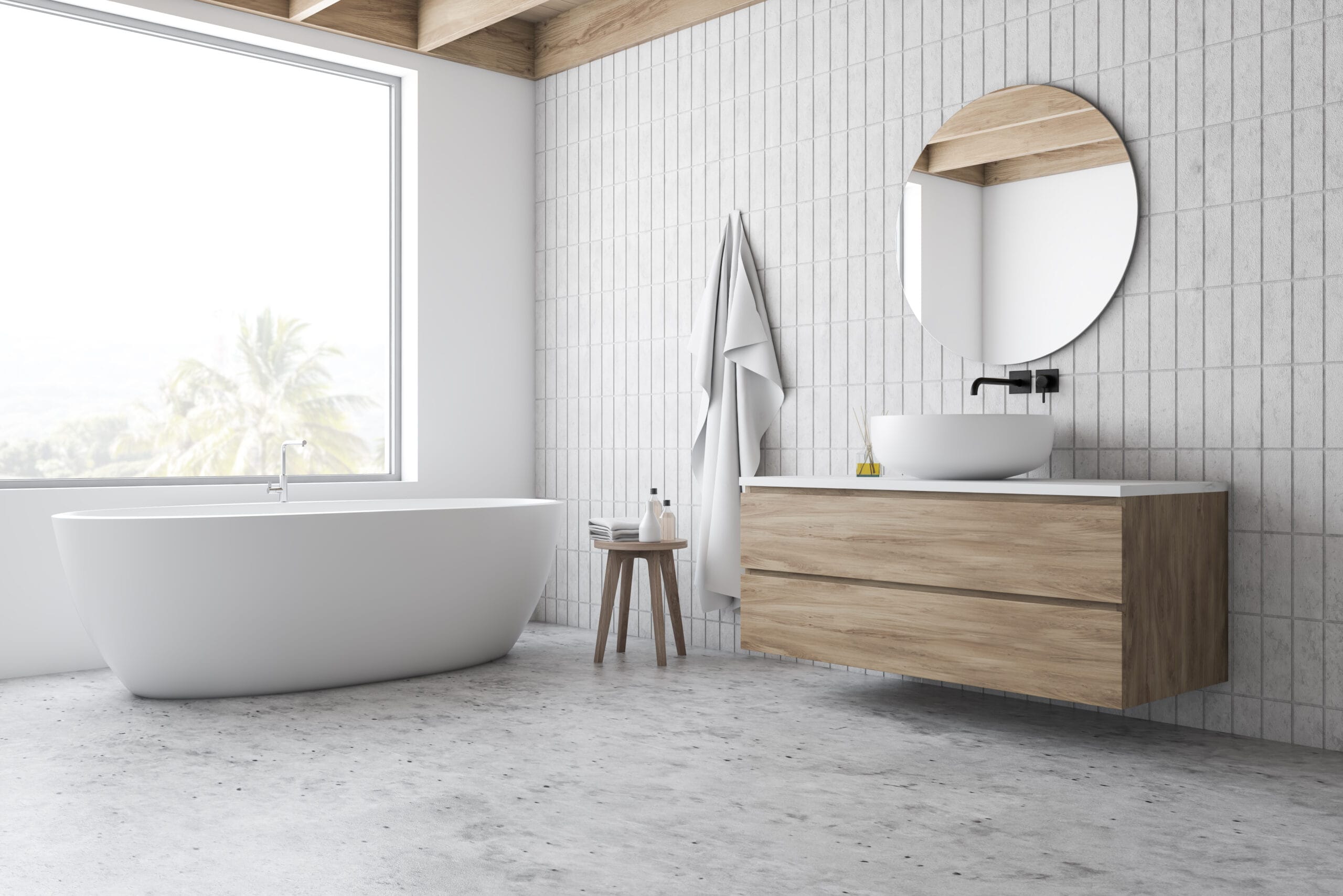
In a bathroom, the window plays a role that’s often underestimated. It affects brightness, ventilation, thermal comfort, and even the durability of surrounding materials. Choosing the right bathroom window therefore means combining aesthetics, functionality, and performance.
This choice isn’t just about style or size: it also concerns air quality, safety, and the longevity of interior surfaces. A poorly suited model can lead to humidity issues, condensation, or heat loss. This article guides you through the essential criteria to consider when choosing the ideal window for this unique space in the home.
Summary of Key Points
-
A bathroom window ensures natural light, ventilation, and moisture prevention.
-
The choice of material must account for exposure to water and steam.
-
PVC is often preferred for its resistance to humidity and minimal maintenance.
-
Double or triple glazing improves thermal and acoustic insulation.
-
Solutions like frosted glass or privacy films ensure discretion.
-
Good ventilation prevents mold and protects the building structure.
-
Thermal insulation is crucial to avoid heat loss in this humid room.
-
If there’s no window, mechanical ventilation becomes essential.
Why a window is essential in a bathroom
The bathroom is a high-humidity room. Without sufficient ventilation, condensation builds up and encourages mold growth, paint deterioration, and swelling of materials. A well-chosen window helps limit these risks while bringing in light and comfort.
Beyond its functional aspect, the window also contributes to the room’s atmosphere. It transforms an enclosed space into a bright, calming place, which makes for a more pleasant daily experience.
It also affects the perception of space: even a small room appears larger and more welcoming when it’s naturally lit.
The benefits of a bathroom window
Natural light and energy savings
A bathroom lit by daylight immediately feels more spacious and inviting. Natural light reduces reliance on artificial lighting, leading to everyday energy savings. In addition, sun exposure helps dry residual moisture more quickly after showers or baths.
During the day, this natural brightness also makes activities like applying makeup or shaving more precise, since the light is truer to actual tones.
Reducing humidity and preventing mold
Natural ventilation provided by an operable window helps maintain balanced humidity levels. By letting water vapor escape, it protects walls, ceilings, and silicone joints from deterioration. Over the long term, this extends the lifespan of materials and preserves indoor air quality.
Good ventilation also helps avoid lingering odors and limits the spread of bacteria associated with stagnant humidity.
Improved aesthetics and comfort
A well-integrated window becomes a design element. Whether discreet, panoramic, or placed high on the wall, it contributes to the room’s décor. The choice of frame, glazing, and architectural style allows it to harmonize with existing decoration while offering a visual opening to the outdoors.
In small bathrooms, clear, well-positioned glazing can also give the impression of a more open, better-proportioned space.
Criteria for choosing a bathroom window
Choosing a bathroom window isn’t limited to aesthetics. You need to consider several factors: size, material, type of glazing, privacy options, and ventilation. A well-judged combination of these elements ensures a functional, durable, and pleasant space.
Since every bathroom is unique, needs vary according to the room’s size, orientation, layout, and frequency of use. The criteria below will help guide your decision in an informed way.
Dimensions and placement
The window’s dimensions should be proportional to the room’s size. An overly large window in a small bathroom can compromise privacy, while a window that’s too small will reduce brightness and airflow.
A good balance is to favor a high-set window that lets in light while preserving privacy. In some cases, a transom or tilt-and-turn window offers an ideal compromise between ventilation and discretion.
It’s also useful to consider orientation: a south-facing window benefits from optimal sunlight, whereas a north-facing exposure will require higher-performance glazing to limit heat loss.
Choice of material: PVC or wood
PVC is the most common material for bathrooms due to its resistance to humidity and minimal maintenance. It doesn’t rot, doesn’t swell, and is easy to clean.
Wood, on the other hand, brings natural warmth and undeniable elegance, but it requires more regular maintenance. It must be treated with water-repellent products to withstand condensation.
| Material | Advantages | Disadvantages | Maintenance |
|---|---|---|---|
| PVC | Resistant to humidity, easy upkeep, good insulator | Less visually warm | Low |
| Wood | Natural aesthetics, excellent insulation | Frequent maintenance, sensitive to water | High |
Some people also choose hybrid windows (PVC on the inside, aluminum on the outside) when they want increased durability without intensive maintenance. These mixed solutions are particularly well suited to humid environments.
Glazing: a key choice for comfort
Glazing directly affects the bathroom’s thermal and acoustic comfort.
-
Double glazing: provides sufficient insulation for most homes and limits condensation.
-
Triple glazing: ideal in very cold regions or for north-facing rooms.
-
Low-emissivity glass: reduces heat loss in winter while limiting overheating in summer.
High-performance glazing also improves resistance to condensation and contributes to a healthier environment. For added comfort, some models are treated to reduce glare and water spots, which simplifies maintenance.
Privacy and brightness: finding the right balance
Privacy is essential in a bathroom. Frosted, etched, or hammered glass lets light through while blocking a direct view from outside.
Adhesive privacy films are an economical, stylish solution that can be easily replaced to match your preferred look. You can also add Venetian blinds or light curtains to adjust natural light throughout the day.
Some modern windows even integrate electrochromic opaque glass, whose transparency changes on demand; an interesting innovation for high-end renovations.
Ventilation and airflow: a health priority
A poorly ventilated bathroom can quickly accumulate humidity, encouraging mold and unpleasant odors.
Casement or awning windows allow effective natural ventilation, even during winter months. In rooms without a window, installing an exhaust fan is essential. It’s recommended to let this system run for a few minutes after each use of the bathroom to remove water vapor.
Proper air renewal also protects furniture and wall coverings, extending their lifespan.
Thermal insulation: comfort all year long
Good thermal insulation prevents condensation on the glass, maintains a pleasant temperature, and reduces heat loss.
To optimize performance:
-
Choose high energy-efficiency glazing.
-
Ensure airtight installation to avoid air infiltration.
-
Opt for frames with a thermal break, especially if the window is exposed to outdoor cold.
These measures ensure consistent comfort, even in the middle of winter, while helping reduce heating costs. In modern homes, high-performance insulation also helps maintain a more stable temperature without sudden variations between walls and windows.
Solving common problems
When there’s no window
Some bathrooms, especially those located in the center of a dwelling, have no exterior opening. In this case, a controlled mechanical ventilation (CMV) system becomes essential to renew the air and prevent stagnant humidity.
Adding a skylight or LED lighting with a natural color temperature can also compensate for the lack of daylight. This solution mimics sunlight and creates a more pleasant atmosphere, particularly useful in small windowless rooms.
Wood maintenance and humidity prevention
For wood windows, it’s essential to apply water-repellent varnishes or oils every two to three years. Proper ventilation and regular upkeep prevent discoloration and extend the frame’s lifespan.
In cases of high humidity, adding a dehumidifier or installing a programmable ventilation system can also help preserve the material.
Managing light and heat
In south-facing bathrooms, direct light can sometimes be too intense. Installing solar films or filtering blinds helps regulate brightness while preserving indoor temperature. This also protects delicate surfaces like wood or paint from UV rays, which can alter their color over time.
Tips for a long-lasting installation
-
Hire a qualified professional: poor installation can negate the benefits of good glazing.
-
Check seal tightness after installation to prevent air and water infiltration.
-
Maintain the window at least once a year by cleaning the tracks and inspecting weather seals.
-
Choose ENERGY STAR®–certified products, synonymous with performance and energy savings.
-
Avoid abrasive products when cleaning to preserve glazing quality and frame durability.
These simple steps ensure increased durability and optimal efficiency over the long term. A well-maintained window is also a guarantee of comfort and safety for the whole family.
Conclusion: investing in comfort and durability
A well-chosen bathroom window improves not only daily comfort but also air quality, safety, and your home’s value.
Whether it’s PVC for practicality, wood for visual warmth, or specific glazing for energy efficiency, every detail matters.
By entrusting your project to an experienced professional, you ensure a durable installation that meets standards and is perfectly suited to your space. A good window, properly installed and well maintained, will transform your bathroom into a healthier, brighter, and more pleasant place to live for the long term.

