














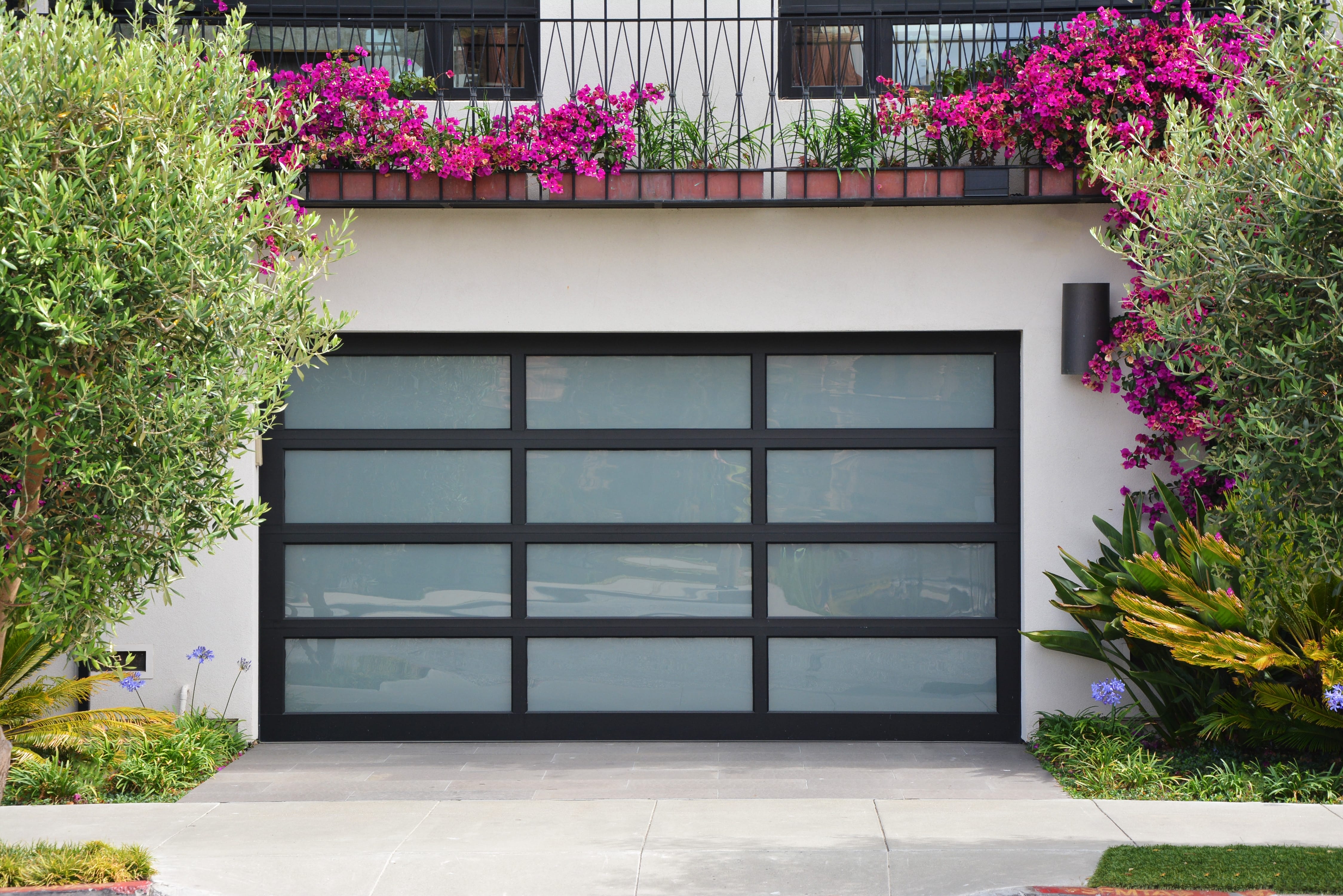
Garage door security is often overlooked in home renovation or maintenance projects. Yet it plays a crucial role in overall home protection. A poorly secured garage door can not only make break-ins easier but also pose safety risks if its components are defective or poorly maintained. This guide explores every essential aspect of garage door safety—from preventive maintenance to modern openers, safety regulations, alarm systems, and best practices to secure this strategic entry point.
Why Should You Strengthen Your Garage Door Security?
An unsecured garage door is a structural weakness in your home’s security system. It often provides direct access to the house, out of sight, making it a preferred target for intruders. Additionally, defective parts can lead to accidents: pinched fingers, sudden closures, or falling panels. Reinforcing garage security protects your belongings, the people inside, and the structural integrity of your home. In Quebec’s climate, freeze-thaw cycles increase wear, making consistent maintenance even more critical.
Preventive Maintenance: The Foundation of Long-Term Safety
Routine maintenance extends your garage door’s lifespan and prevents unexpected breakdowns. Key tasks include cleaning the tracks, lubricating hinges, inspecting seals, and checking mechanical systems. At each seasonal change, conduct a full visual inspection and test the operation of all mechanisms. Spotting fatigue or misalignment early reduces the risk of failure and improves the energy efficiency of garages that are often attached to the house.
Visual Inspection: What to Check Carefully
A good inspection should focus on the most stressed components:
-
Springs: Are they rusted or cracked?
-
Cables: Are they frayed or unevenly tensioned?
-
Guide rails: Are they clean, straight, and firmly secured?
-
Safety sensors: Are they working properly and well aligned?
One of the best indicators of malfunction is overall door behavior: if it creaks, sticks, or jerks during movement, servicing is likely needed. Preventive maintenance helps avoid costly repairs and keeps users safe.
Leave High-Tension Components to Professionals
Torsion springs, lifting cables, and mounting brackets are high-tension elements that can cause serious injury if mishandled. Installation or replacement must always be done by a qualified technician, such as Fenomax. A professional can also perform precise adjustments to ensure smooth and safe operation. A yearly maintenance visit is recommended, especially after a harsh winter, to prevent unexpected failures.
Test the Auto-Reverse Safety System
This system, mandatory on all modern motorized openers, prevents the door from closing on a person or object. To test it, place a wooden board under the door as it closes. It should stop immediately and reverse. If it doesn’t, the system needs repair or adjustment. This simple test should be done at least twice a year, especially for households with children or pets.
Residential Safety Standards: What Regulations Say
Since 1993, all residential garage door openers must include an automatic reverse system. Wall-mounted control buttons must be installed over 1.5 meters from the ground, out of children’s reach. Photoelectric sensors are also required to detect any obstacle. Adhering to these standards, widely enforced in Quebec, is not only a matter of compliance, but also of liability in the event of an incident. A professional installer can help you verify or update your system accordingly.
Choosing a Secure Garage Door Opener
The most secure motorized doors are sectional and roll-up models. These can include automatic locks, encrypted remote controls, and opening detectors. Here’s a comparison table:
| Door Type | Security Level | Space Saving | Maintenance Needed |
|---|---|---|---|
| Motorized sectional | High | Good | Moderate |
| Motorized roll-up | Very high | Excellent | Low |
| Manual swing door | Low | Medium | High |
| Motorized sliding door | Medium | Good | Moderate |
When buying or upgrading, opt for a motor with obstacle detection, rolling code encryption, and compatibility with alarm or smart home systems.
Garage Alarms: Deterrence and Monitoring
An alarm system connected to your garage door strengthens home security. It may be a standalone alarm or part of a central system. The best models detect vibrations, lifting attempts, or unauthorized openings. Some send real-time alerts to your phone. A clearly visible alarm also acts as a strong deterrent. For optimal security, pair the alarm with motion-sensor exterior lighting.
Respond Quickly to Malfunctions
Any unusual noise, motor slowdown, or difficulty opening should be addressed promptly. A faulty mechanism can worsen quickly and compromise safety. Contact a repair service as soon as issues arise. Common problems like misaligned tracks or worn rollers are easy to fix when caught early. A well-maintained door is safer, and lasts longer.
Security Solutions Tailored to Your Home
Your garage’s location (detached, attached, or street-accessible) will influence your security needs. Solutions may include an extra manual lock, encrypted remote access, or even video surveillance. If you plan to upgrade or replace your current door, a professional can assess your setup and suggest a custom solution that meets safety standards.
Key Takeaways
-
A secure garage door significantly reduces the risk of break-ins.
-
Seasonal maintenance extends lifespan and enhances safety.
-
Never handle high-tension parts yourself—call a professional.
-
Regularly test the automatic reverse mechanism.
-
Follow Canadian residential safety standards.
-
Choose a motorized system with secure locking and smart features.
-
Garage alarms provide active, visible protection.
-
Act fast on mechanical issues to prevent accidents.
Conclusion
Garage door security is a crucial link in home protection. By combining consistent maintenance, modern technology, regulatory compliance, and professional expertise, you strengthen your peace of mind. A garage door that is well maintained, well equipped, and properly used becomes a strong barrier—against both intrusions and household accidents. For personalized evaluations or secure installations, don’t hesitate to call on a specialized residential garage door team like Fenomax.
Frequently Asked Questions About Securing Your Garage Door
Which garage door components should never be repaired or adjusted by a homeowner?
Torsion springs, lifting cables, and mounting brackets are under extreme tension and can cause serious injury if mishandled. These parts must always be serviced by a qualified technician. Attempting DIY repairs on these components, even seemingly minor adjustments, carries a real risk of sudden, dangerous release of stored energy.
How do I properly test the auto-reverse safety system on my garage door opener?
Place a 2-inch piece of wood flat on the ground under the door and close it. The door must stop and reverse immediately upon contact with the board. If it continues to press down or does not reverse, the sensitivity needs to be adjusted or the system serviced. This test should be performed at least twice a year and is especially important in households with children or pets.
Since when are residential garage door openers in Canada required to have an auto-reverse system?
Since 1993, all residential garage door openers sold in Canada must include an automatic reverse mechanism. Wall-mounted control buttons must also be installed more than 1.5 meters from the floor to keep them out of children’s reach. Homes with older openers may not have these protections and should consider upgrading.
What types of alarm systems can be added to a garage door for extra security?
Options range from standalone garage-specific alarms to modules that integrate with a full home security system. Advanced models detect vibrations, unauthorized lifting attempts, or unusual openings, and can send real-time smartphone notifications. A visible alarm unit also acts as a deterrent. Pairing an alarm with motion-activated exterior lighting is an effective combination for both detection and deterrence.
How does Quebec’s freeze-thaw climate affect garage door security and mechanical performance?
Repeated freeze-thaw cycles put significant stress on weatherstripping, rubber seals, tracks, and hardware. Extreme cold can stiffen components, slow the motor, and cause misalignment over time. A seasonal maintenance routine (lubricating hinges, tracks, and rollers, checking seals, and testing the opener) helps prevent mechanical failures that could compromise both the function and security of the door.

